The culture journal
Food is where
memory lives.
An English-language guide to the festivals, rituals, ingredients and cooking techniques that give Sindhi food its distinctive sense of place.
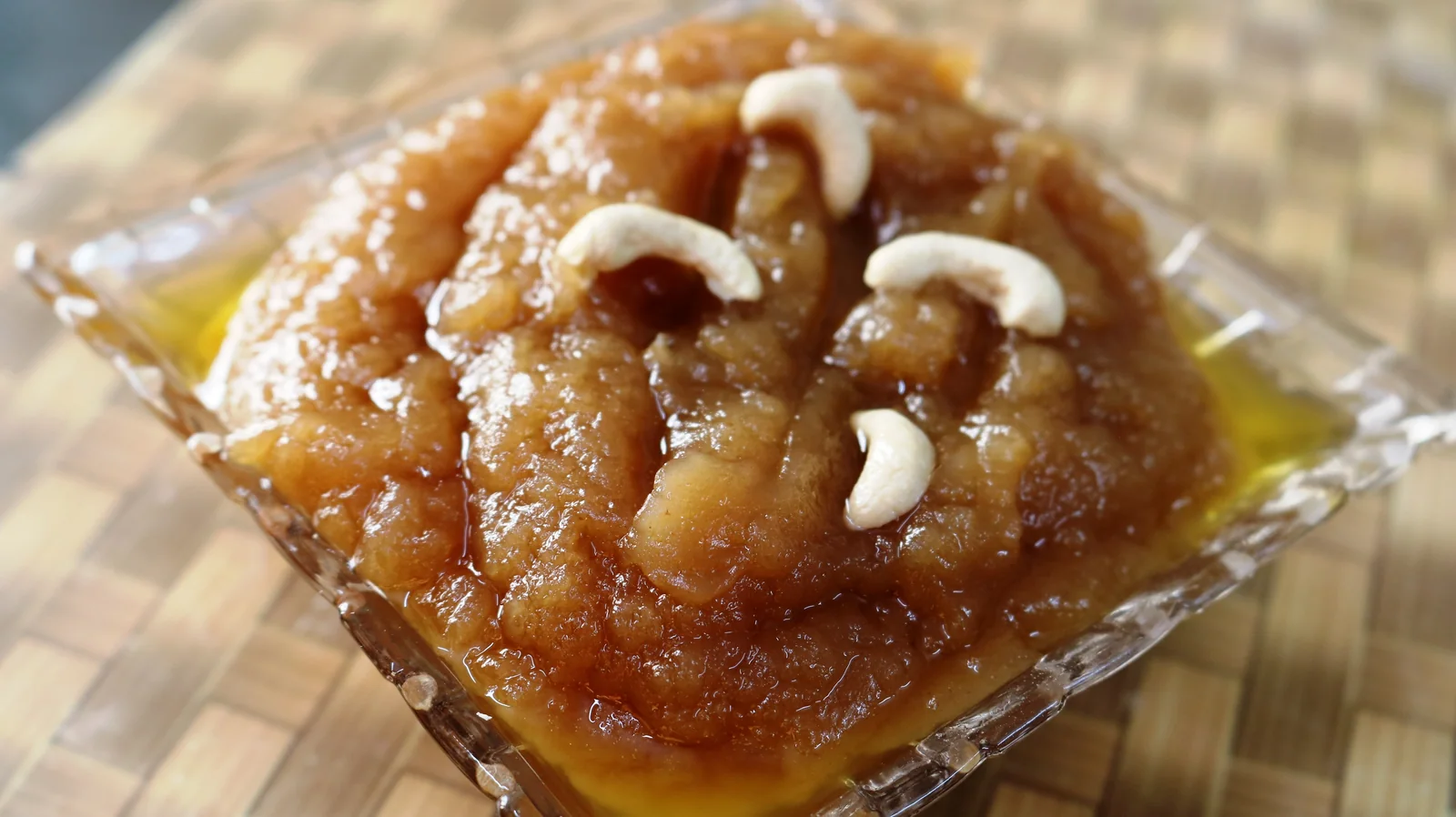 Real food photograph
from the Sindh Ji Rasoi archive
From the cookbook introduction
A living inheritance,
not a museum piece.
Sindhi cuisine is a blend of influences woven together over generations. Its snacks, pickles, chutneys, main courses, sweets and festival dishes carry the practical intelligence of family kitchens as well as the memories of a people shaped by the Indus and by migration.
The shared cookbook manuscript describes this archive as a way of keeping flavour, language and culture alive for the next generation. This journal extends that intention into an English-language space that is easier to discover, read and share.
Every article will be written carefully, with the family context kept close and the source material clearly separated from future editorial additions.
Calendar of memory
Festivals with
a flavour of their own.
The first culture stories are designed as useful, readable introductions for anyone discovering Sindhi traditions for the first time.
Cheti Chand
A new year and a celebration of Jhulelal, remembered through prayer, community, family gatherings and festive food.
Thadri
A monsoon festival associated with Sitala Mata and the tradition of enjoying food prepared the previous day.
Teejri
A festival of devotion, songs, fasting and family rituals, carrying the seasonal rhythm of Sindhi life.
Diwali and family tables
A time for light, sweets, hospitality and the recipes that turn celebration into something everyone can taste.
Explore the wider culture
More than
what's on the table.
Sindhi words and scripts
Explore the language, its writing systems and practical ways to learn from family.
Clothing and textiles
Meet Ajrak, Sindhi topi and the makers behind a rich and diverse textile tradition.
A deeper festival guide
Read dedicated guides to Cheti Chand, Teejri, Thadri and Diwali.
Where to eat Sindhi food
Explore local restaurants, breakfast stalls, sweet shops and home kitchens in five Indian cities.
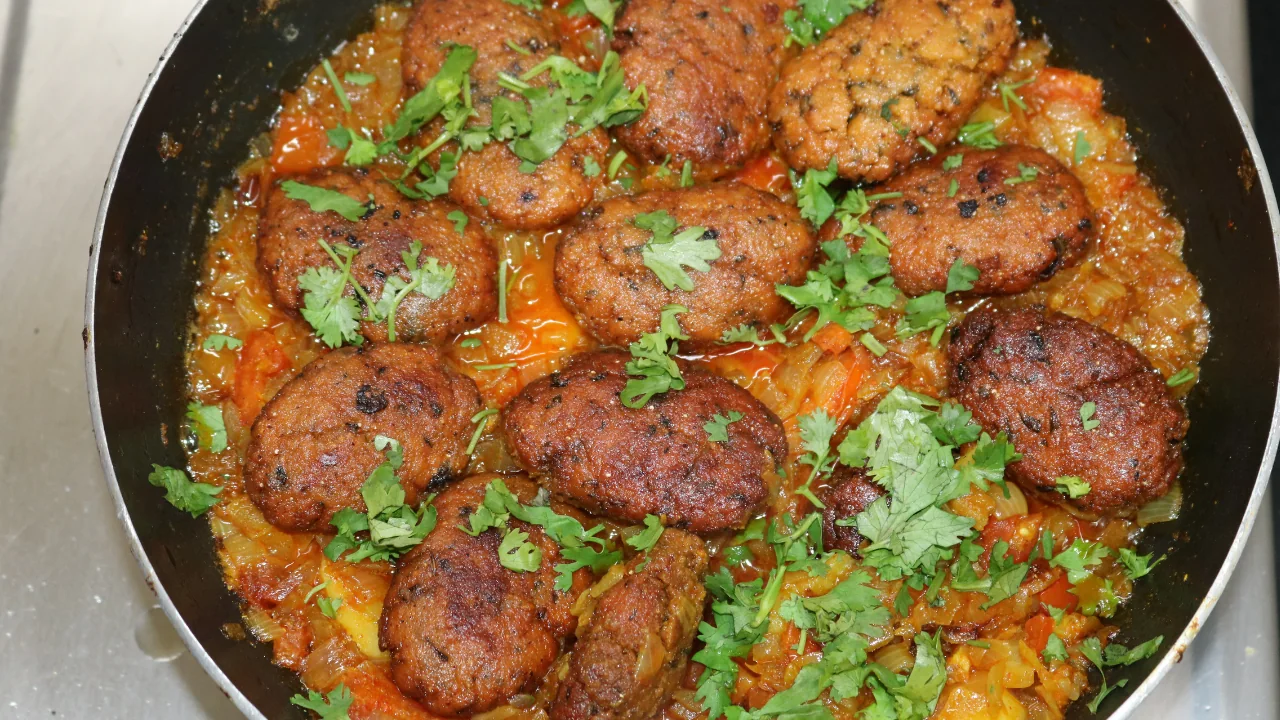
Kitchen vocabulary
Seyal, Daag
and Bhugal.
Traditional Sindhi cooking often builds flavour through technique as much as through ingredients. A culture glossary can make those words easier to understand and easier to pass on.