A festival experienced in many ways
Sindhi families observe Diwali in different religious and regional contexts. For many Hindu households it is a major festival marked by lamps, prayer, gathering and hospitality; other Sindhi communities may follow different calendars and traditions. This guide focuses on Hindu family observances while recognising that Sindhi identity is not limited to a single faith or practice.
Preparing the home and welcoming guests
In many homes, cleaning and arranging the house is part of getting ready. Lamps are lit according to household practice, families visit places of worship or relatives, and guests are welcomed. What is prepared and when varies. Some households make a large spread; others keep the observance simple, shaped by work, health and who is at home.
The sweet table
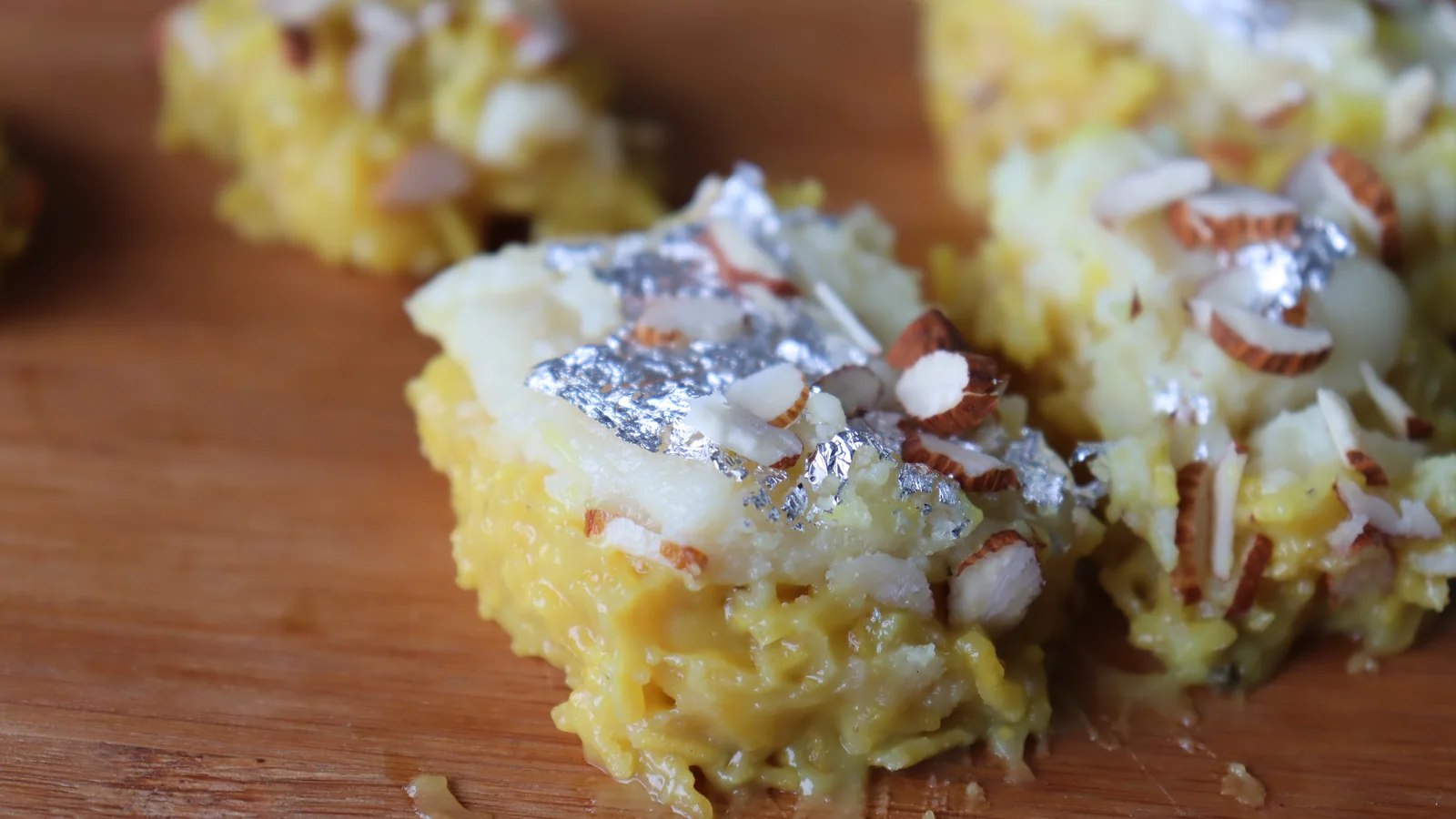
Sweets travel naturally between gifting, hospitality and celebration. A Sindhi table might include purchased mithai or family preparations such as Singar Mithai, seviyan, Kanha Prasad or another household favourite. None is required in every home. Recipes can carry the identity of the person who taught them, the neighbourhood where the family lived and the ingredients available that year.
Food, sharing and practical care
A useful festive menu balances dishes that can be prepared ahead with a few fresh items served close to the meal. Clearly label sweets that contain nuts or dairy when sharing outside the household, and store food with attention to temperature and freshness. The point of the table is generous welcome, not excess or a fixed list of dishes.
Passing on the story
Invite children to help with one safe kitchen task, learn the Sindhi name of a sweet and ask an elder which family version they remember. Keep a note of the recipe source, the person who shared it and any differences in spelling or ingredients. These small details help future readers see a tradition as lived experience rather than a checklist.
Read about Singar Mithai and Kanha Prasad, or browse the full recipe table.