A date set by the lunar calendar
Teejri, also written Tijri or Teejdi by some speakers and organisations, is observed by many Sindhi Hindu women and girls. Its date changes each year, so use a current panchang and confirm local timings with the family or temple whose practice you follow. The length and form of fasting also vary; health, age and personal circumstances matter, and no one should feel pressured to fast.
Katha, song and preparation
For many families, Teejri is prepared for communally. Women and girls may gather for mehendi, songs, a reading or telling of the Teejri Katha, and prayers. An elder may explain the story, while younger participants learn the vocabulary, sequence and family memories attached to the day. These gatherings are as much about companionship and transmission as about an individual observance.
Prayer and the moon
Some community descriptions include an evening prayer after moonrise, with water or a simple offering. Particular objects and the sequence of actions differ by place and household, so it is helpful to learn directly from the people leading the ritual. Internet summaries often merge customs from different regional fasts; a local Teejri organiser can explain what is specific to the community you are visiting.
Food around a fast
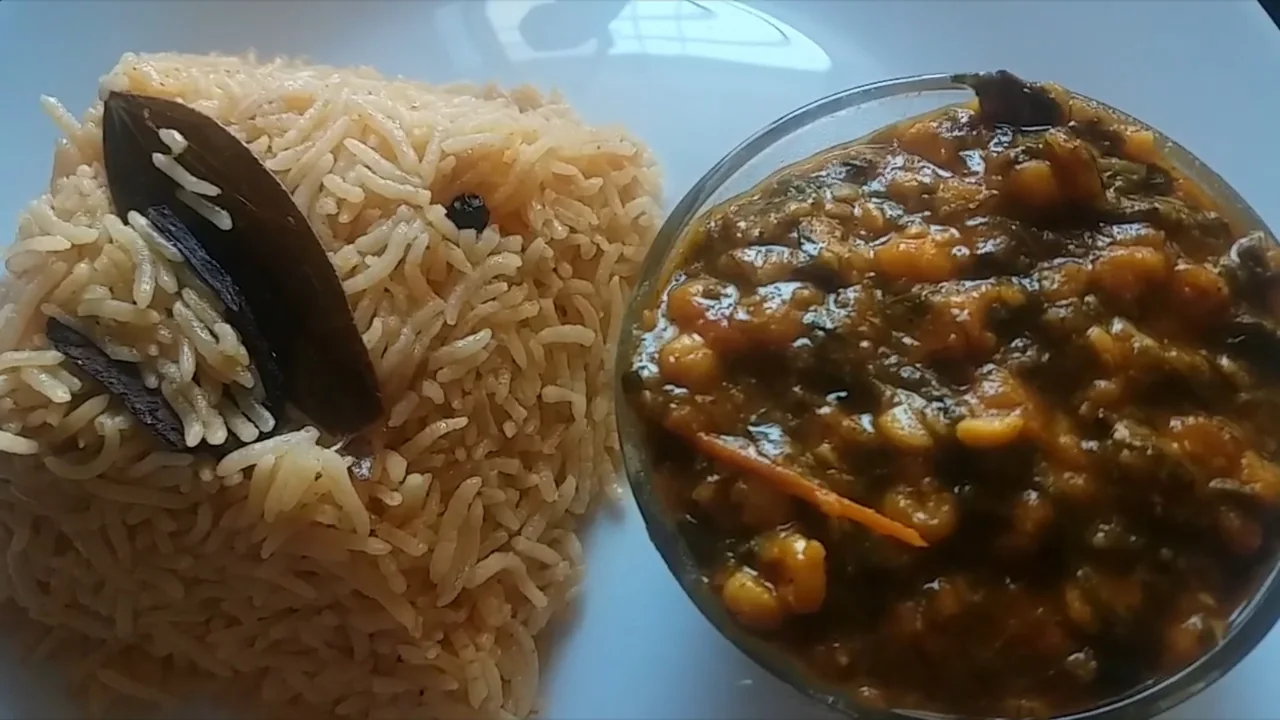
Food is shaped by the practice each person follows: some fast strictly, some take fruit or water, and others participate through prayer and gathering without fasting. Families commonly plan a meal for after the observance and prepare refreshments for people attending. This guide does not prescribe a menu or fast; it encourages readers to ask what is customary in their own family and to take care of their health.
A tradition that makes room for conversation
Teejri gives families a natural opportunity to record a Katha, song, prayer, or the meaning of a family food. With permission, younger relatives can write down names and transliterations in Sindhi and English, then record who taught them. That personal record is more valuable than claiming that one description fits all Sindhi households.